50 Years Across Five Boroughs: What Made the 2026 NYC Marathon Special
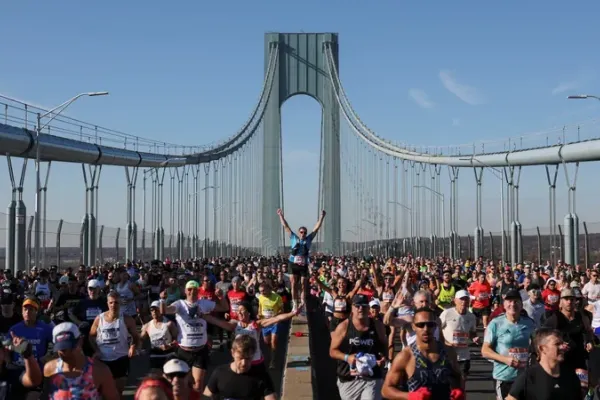
The New York City Marathon is a race, but it’s also a moving portrait of the city. Runners cross the Verrazano-Narrows Bridge, make their way through Brooklyn and Queens, pass a small stretch of the Bronx, then head down First Avenue and into Manhattan before finishing in Central Park. Along the route, neighborhoods become grandstands and strangers become the loudest voices in a runner’s head.
The 2026 race carried an extra milestone: 50 years since the marathon moved beyond Central Park and began running through all five boroughs. What started as a citywide course in 1976 has become one of New York’s biggest annual live events, drawing elite competitors, first-time marathoners, returning runners and spectators who treat race day as a citywide tradition.
From a few thousand runners to a citywide celebration
Source: Business Insider
The marathon’s five-borough era began in 1976 with about 2,000 entrants. This year, more than 61,000 runners finished the race, including nearly 29,000 women. The growth reflects the event’s scale, but the number alone doesn’t explain its pull.
The course gives runners a way to experience New York neighborhood by neighborhood. It starts with the vast view from Staten Island, then moves into the blocks and crowds of Brooklyn, across Queens, through the Bronx and into Manhattan. The route is long enough for the city to change around you several times—and for the race to feel different at every turn.
For spectators, that geography creates its own challenge and pleasure. You can pick a favorite neighborhood and make it your viewing spot, or follow the race by transit to catch runners at more than one point. Either way, the crowd becomes part of the event’s soundtrack.
A marathon with room for many kinds of achievement
Source: Lifestyle.INQ
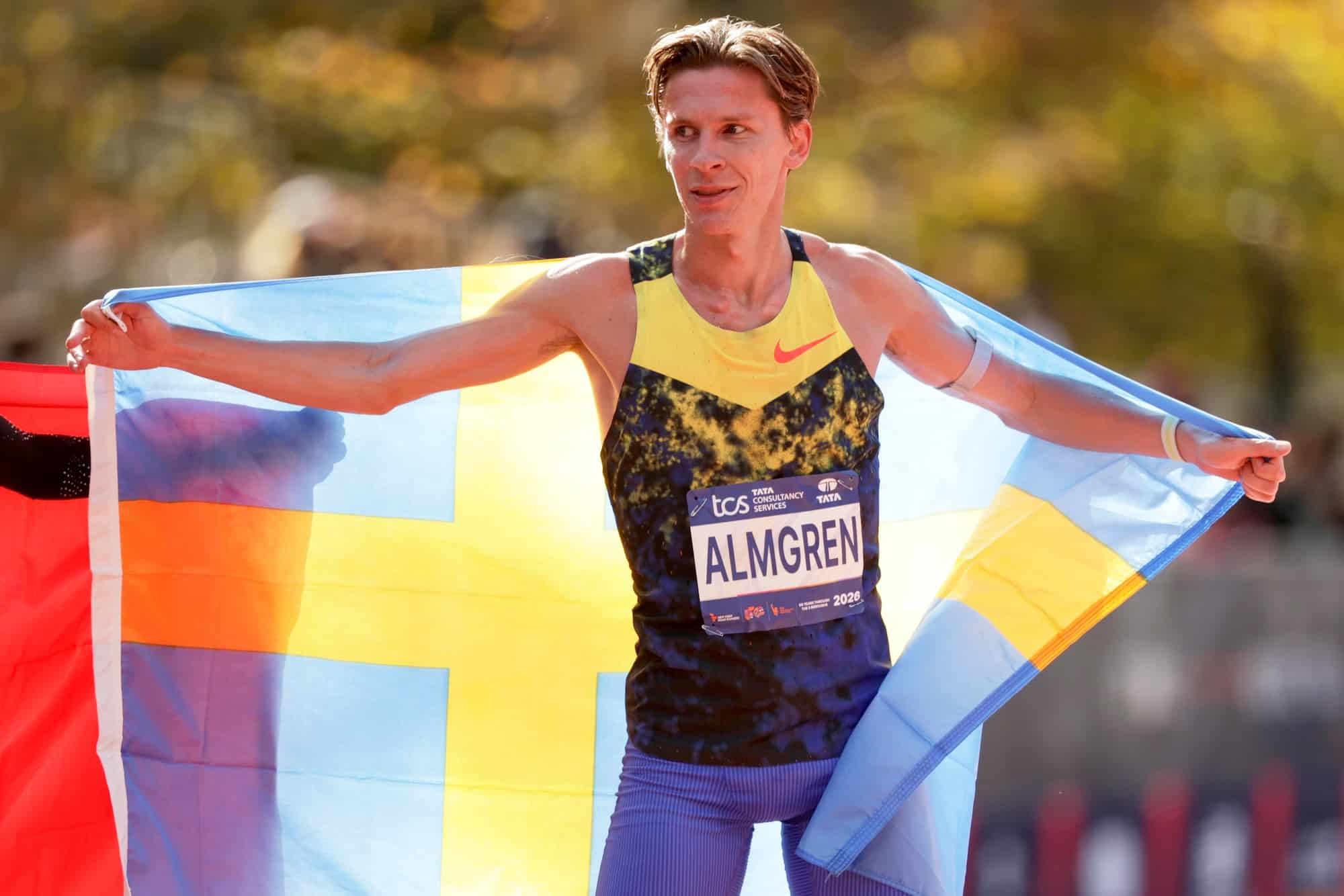
The 2026 race produced standout performances at the front of the field. Sweden’s Andreas Almgren won the men’s race in 2:06:01, in his first marathon. Kenya’s Sheila Chepkirui won the women’s race for the second time in three years. American Jess McClain finished second after passing two-time champion Hellen Obiri near the end.
The wheelchair races brought their own history. Marcel Hug earned his eighth New York City Marathon title, while Catherine Debrunner won her race by more than eight minutes.
But the marathon’s scale means that the elite results share the day with thousands of personal milestones. Some runners are chasing a time; some are aiming to finish; others are running for a cause, a loved one or a promise they made to themselves. This year, ultrarunner Rich Roll completed the race while supporting Cedric King, a former Army master sergeant and Purple Heart recipient who lost both legs above the knee. At age 83, Dave Obelkevich lined up for his 49th five-borough race, having run every edition since 1976.
These stories don’t compete with the winners’ achievements. They show how many different meanings a marathon can hold at once.
The crowds are part of the course
Source: Yahoo! Sports
The route’s atmosphere changes from borough to borough. Spectators fill the streets in Bay Ridge, Williamsburg and Harlem. The Queensboro Bridge offers a sharp contrast: a quieter stretch before runners emerge into the roar of First Avenue.
That shift matters because the marathon is not experienced at one constant volume. There are loud stretches, quiet stretches, and moments when one familiar voice or handmade sign can break through the noise. A cheer from a stranger can give someone a reason to pick up the pace—or simply keep moving.
That’s one reason watching the race in person can be so memorable. Spectators aren’t just looking at a stream of runners. They’re seeing people work through fatigue, celebrate a high five, slow down to manage a cramp or find a second wind when the crowd lifts them.
The Queensboro Bridge and the changing definition of success
Source: Bleacher Report
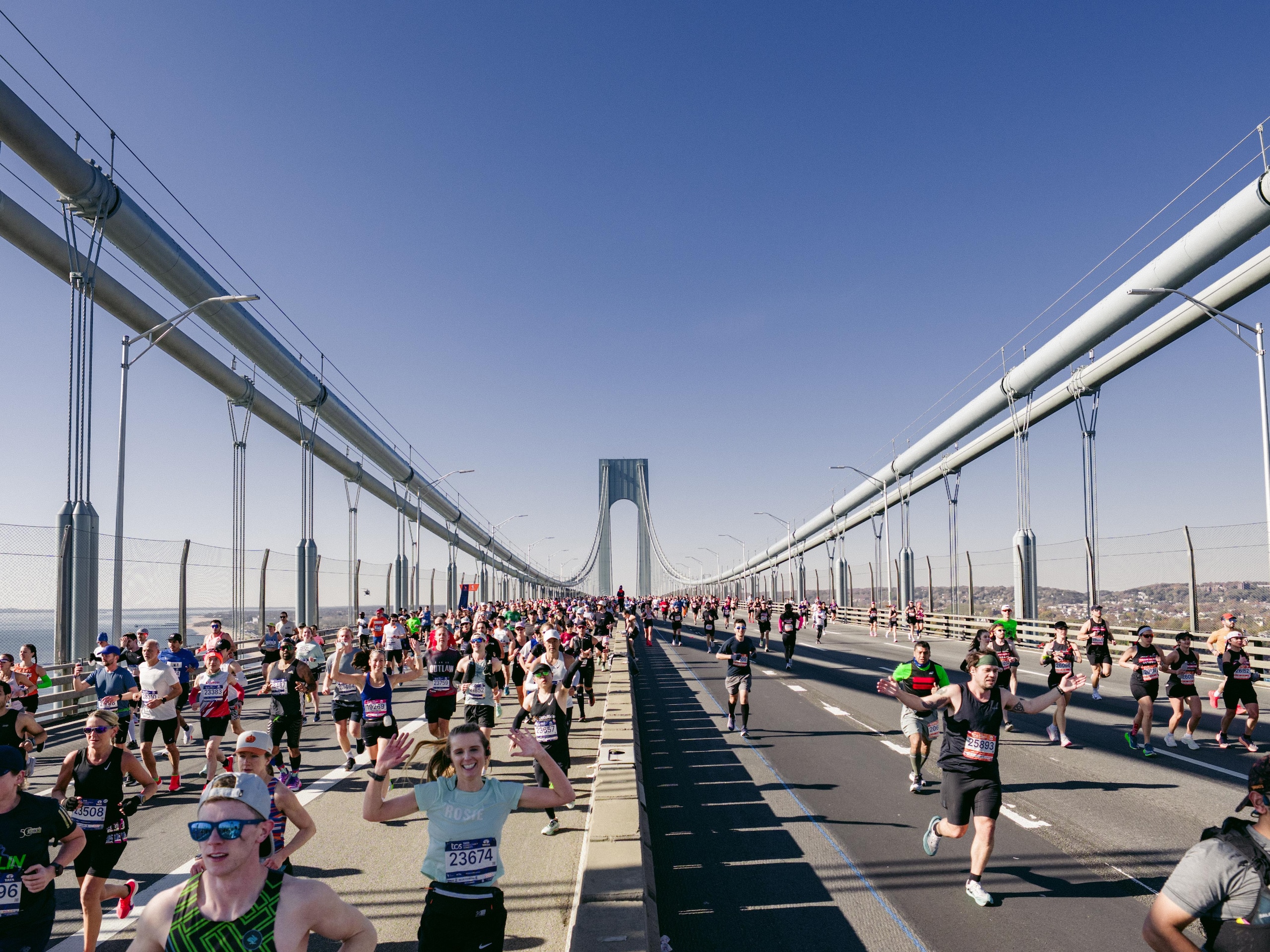
The course also has a way of humbling ambitious plans. In the Outside essay that inspired this feature, the writer describes losing the chance at a personal record on the Queensboro Bridge, where the quieter stretch can make the effort feel especially demanding.
Every runner’s race is different, but the bridge can become a moment of reckoning: the point where a goal time gives way to the more immediate question of how to keep going. That doesn’t make the rest of the course less meaningful. It can change what success looks like—from hitting a split to accepting a slower pace, taking a high five or making it to the finish without giving up.
The finish line in Central Park is the destination, but the city’s support is woven through the miles before it. For many runners, the day is shaped as much by those encounters as by the clock.
Savvy Seats’ take: race day belongs to spectators, too
The New York City Marathon shows how a live event can transform familiar streets. A bridge, a neighborhood avenue and the paths of Central Park become part of one shared experience. Runners take on the distance; spectators help fill it with energy.
If you’re planning to watch a future race, choose a viewing spot with both the runners and your own race-day logistics in mind. Check transit options, decide whether you want to stay in one neighborhood or move along the route, and leave yourself time to get settled before the crowds build. Bring layers, comfortable shoes and a clear meeting point if you’re watching with friends.
Want to experience more of New York’s major live events? Explore upcoming sports and entertainment with Savvy Seats, compare ticket options and tell us where you’d want to cheer from on marathon Sunday.
